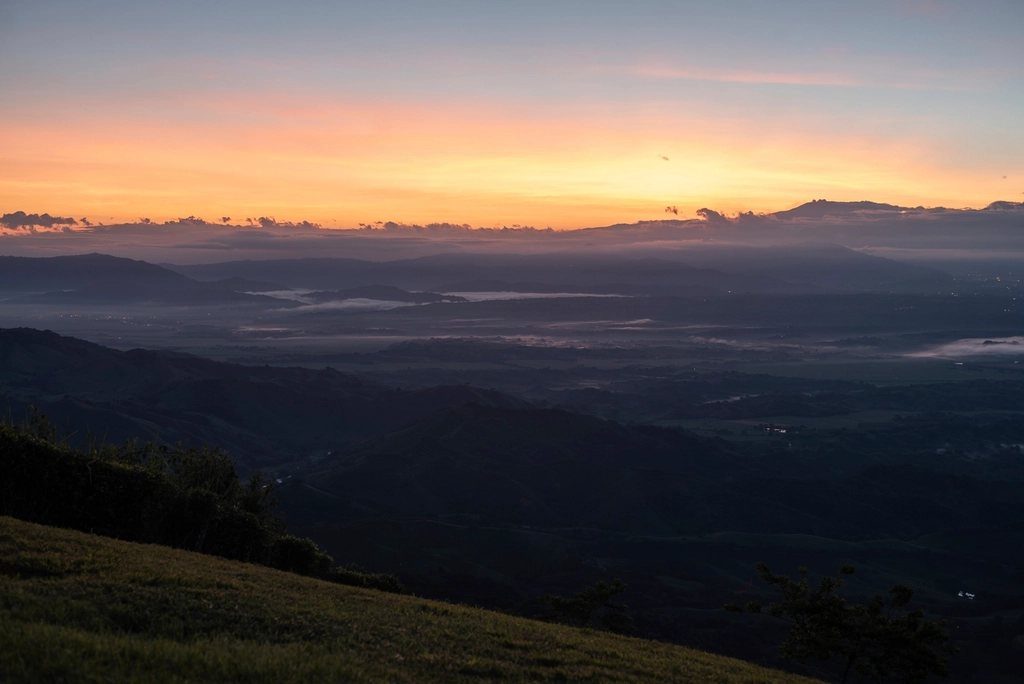
The person who climbs, skis and boulders has a problem the specialist never faces: there is never an off-season, and there is never quite enough of any one season either. Every month offers something in good condition somewhere, and the temptation is to chase all of it until the body and the bank account give out in March. Over the years we have settled into a calendar that follows conditions rather than fighting them, with rest built in on purpose. It is written for the northern hemisphere and for someone with a normal job, two longer trips a year, and weekends. Adjust by a few weeks for your latitude and snowpack.
December to February: Snow and Ice
Winter belongs to the skis and the ice tools, and the smart move is to accept that and put the rock shoes away. December is a building month: the base is thin, the resort snowpack is still filling in and the ice is forming, so it is the time to ski groomers hard, work on technique, and get the legs used to full days.
January and February are the heart of it. This is when a longer trip earns its cost: Hokkaido for the deepest tree skiing on earth, the Alps for lift-accessed off-piste and the long glacier runs like the Vallee Blanche, the Rockies or the Wasatch for dry powder and short approaches. Ice climbing peaks in the same weeks. Cold nights and stable days from mid-January onward give the fattest and most reliable flows, and a week of ice keeps the pulling muscles and the head in shape while the fingers rest. Indoor bouldering two evenings a week is enough to hold finger strength; it is not the time to hangboard hard.
March and April: Corn Snow and Desert Rock
Spring is the season of two windows that do not overlap by much. On the snow side, the freeze-thaw cycle turns the pack into corn: the surface freezes overnight, softens to a few centimetres of granular velvet by mid-morning, and turns to soup by early afternoon. Corn is the safest and most enjoyable touring of the year if you respect the clock. Start before dawn on the frozen crust, ski the aspect that has been in the sun for two to three hours, and be off the slope by the time the snow lets your boot sink past the ankle. Big spring traverses and volcano descents all live in this window, usually from late March to mid-May depending on elevation and how far north you are.
On the rock side, the desert opens. From mid-March to mid-May, sandstone crack climbing in the American Southwest and the sport crags of southern Europe are at their best: warm days, cool nights, and long light. It is also the moment for the first outdoor bouldering of the year at lower elevations, when the friction is still good but the fingers have gone soft from winter. Pick one of the two, corn or desert, for a long trip. The other can be a series of weekends.
May and June: The Bridge
Late spring is the awkward, wonderful transition. High couloirs still hold skiable snow through May and into June in the big ranges, and the ski mountaineer’s season, where the skis go on the pack for a climb and come off for the descent, is at its best. At the same time the lower crags are getting hot by midday, so climbing shifts to mornings and to shaded, north-facing walls. We use these weeks to rebuild finger strength deliberately, with a short hangboard block and steady mileage on moderate routes, because summer alpine climbing punishes weak fingers and tired feet.
July and August: Alpine and High Boulders
Summer is the alpine season. Long days, stable high pressure and snow-free approaches open the granite of the big ranges: multi-pitch rock at 3,000 metres, ridges with a bit of snow, and the classic long routes that need a 3 a.m. start and a 6 p.m. return. Ice and snow are at their most unstable in the afternoon heat, so summer alpine days are early days, and the weather window, not the calendar, decides the plan.
Bouldering moves uphill in the same months. The valley boulders are too hot and greasy to bother with, but the high-altitude fields at 2,000 to 3,000 metres come into condition, with cool mornings and rock that has spent the winter under snow and is now dry and clean. Rest days in summer are real rest days, because the approach hikes do the aerobic work for you.
September to November: Friction Season
Autumn is, for many of us, the best climbing of the year. Temperatures drop, humidity falls, and rock that felt like soap in July becomes sticky. In Europe, Fontainebleau comes into condition from October, when the sandstone is dry, the forest is cool and the friction is at its finest; a still, grey, 8-degree day is what forest regulars pray for. In North America, the high desert around Bishop hits its window from late October, with cold nights, warm days and granite and volcanic rock that both reward the same conditions. Sport crags at mid-elevation are excellent through October, and the sandstone deserts reopen for a second season from late September to mid-November.
The trap is the rain. Fontainebleau is sacred rock that is not climbed wet, and a rainy week can erase a trip. Build flexibility into any autumn plan, and keep an indoor session in the back pocket. November tails off into the first snows in the mountains, and the first proper storms are the signal to stop climbing hard, let the fingers recover from a season of friction, and start skiing again.
Travel, Money and Rest
Three sports and twelve months is a recipe for burnout, so the calendar needs empty space in it. We plan two long trips a year, one in winter and one in autumn, and fill the rest with weekends within a few hours’ drive. Long-haul flights get booked months ahead when fares are lowest; February ski weeks are the most expensive, so book them earliest or spend them at a smaller resort.
Rest is not optional. A full week of nothing every three months, and a fortnight after the autumn season, does more for a body that climbs, skis and boulders than any training block. The fingers in particular need the pause between friction season and the first cold days of winter. Injuries in this kind of life almost always arrive in the transitions, when the body is strong in one direction and suddenly asked to work in another. Put the rest on the calendar first, and let the conditions fill in the rest.