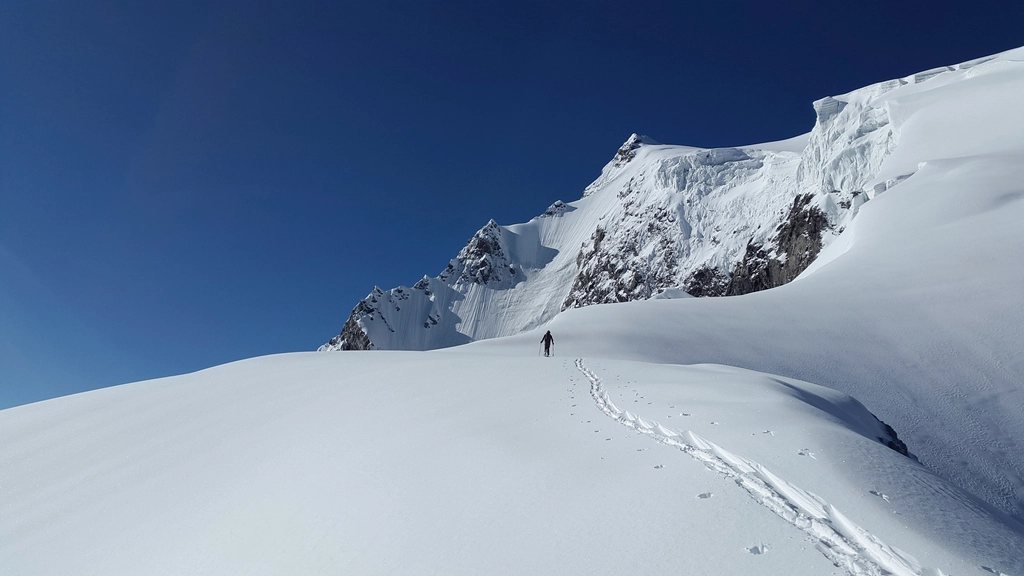
Why the Right Gear Matters in the Backcountry
When you’re miles away from civilization, surrounded by untouched snowfields or clinging to a granite face, your gear isn’t just equipment—it’s your lifeline. The wild doesn’t forgive oversight. Whether you’re skiing deep powder, bouldering off-trail, or climbing an alpine ridge, having the right essentials can mean the difference between a legendary journey and a dangerous misadventure.
Clothing: Layer Like a Pro
In backcountry environments, weather changes fast. One moment it’s sunny, the next it’s a whiteout. The key? Layering smartly.
- Base Layer: Moisture-wicking and breathable (avoid cotton).
- Mid Layer: Insulating fleece or down to trap heat.
- Outer Layer: Waterproof and windproof shell jacket and pants.
Don’t forget warm gloves, a beanie, and UV-protective sunglasses or goggles. Your comfort and safety depend on staying dry and warm.
Navigation and Safety Tools
In the backcountry, there are no marked trails or ski patrols. Staying oriented is essential:
- GPS device or smartphone with offline maps
- Paper map and compass (batteries fail, paper doesn’t)
- Avalanche beacon, probe, and shovel for snowy terrain
- Multi-tool or knife for repairs and emergencies
Always let someone know your plans before heading out. It’s a simple step that could save your life.
Food, Water, and Fuel Your Fire
Backcountry adventures burn serious calories. Keeping your body fueled and hydrated is non-negotiable:
- High-energy snacks (nuts, dried fruit, energy bars)
- Compact meals (dehydrated or freeze-dried)
- Insulated water bottles or hydration bladders
- Portable stove and fuel for hot meals and drinks
Water purification tablets or filters are a must—streams and snowmelt aren’t always safe to drink.
Technical Gear: Tailored to Your Passion
For Ski Touring
- Touring skis with skins
- Adjustable poles
- AT boots and bindings
- Helmet and avalanche airbag backpack
For Climbing and Bouldering
- Harness and helmet
- Ropes, carabiners, belay device
- Crash pad for bouldering
- Climbing shoes and chalk bag
Don’t skimp on gear quality—your safety depends on it.
The Avalanche Kit, Piece by Piece
Beacon, probe and shovel are listed in every gear guide, but the details are what decide whether the kit works when it matters. The transceiver should be a modern three-antenna digital unit. Three antennas resolve the signal in all orientations, which removes the spikes and dead spots older units produce in the fine search. Check the battery every morning and run a full send and search check with your partners at the trailhead, away from cars and phones.
The probe should be at least 240 cm and ideally 300 to 320 cm. A burial of one and a half metres is common, and a short probe forces you to lean into the slope and lose your grid pattern. The shovel needs a metal blade, never plastic, and a telescoping handle you can extend so you are not shovelling in a crouch. Avalanche debris sets like concrete within minutes, and a plastic blade skates off it. Practise the whole chain on a buried pack at least once each season, and time it: fifteen minutes is the window we train for.
Bindings, Skins and the Layering Numbers
Touring bindings come in two families. Pin or tech bindings clamp the toe of a compatible boot between two pins, weigh a few hundred grams per pair, and pivot freely on the ascent, which is why they dominate long tours. Frame bindings ride the whole binding up with the boot, ski more like a resort binding, and are easier to trust for hard downhill days, at a cost of roughly a kilogram per pair. Whatever you choose, learn to get in and out of it with gloves on, in deep snow, before you need to in a storm.
Skins are the other half of the system. Mohair glides better and is lighter; nylon grips better and lasts longer; a mix does both reasonably. Cut them to leave two to three millimetres of edge showing, fold them glue to glue, and keep them inside your jacket on the descent so the glue stays warm for the next transition.
Layering in numbers: a 150 to 200 g per square metre merino or synthetic base, a 60 to 100 g synthetic active insulation piece for the climb, a hooded shell with a hydrostatic head above 20,000 mm, and a puffy with at least 150 g of down fill or the synthetic equivalent stuffed at the top of the pack for transitions and emergencies. Start the climb slightly cold, and carry two pairs of gloves, one thin for the up and one warm for the down.
Fuel, Water and the Repair Kit Nobody Packs
A skinning ascent burns 500 to 800 calories an hour for most people, and the body cannot absorb more than 200 to 300 of them back in the same hour. That gap is why afternoons feel so heavy. Eat 40 to 60 g of carbohydrate every hour from the first hour, not once you are hungry, and lean toward things that stay edible frozen: dried fruit, soft bars, nut butter sachets, boiled potatoes with salt. For water, plan on half a litre an hour in cold weather and more in spring, in an insulated bottle stored upside down so ice forms at the bottom rather than in the neck. Hose systems freeze.
The repair kit weighs under 300 g and has saved more days than any other item in the pack.
- Multi-tool with a driver bit that actually fits your binding screws, plus a spare screw or two.
- Ski straps, at least four; they fix broken skins, split poles, boot buckles and a torn pack.
- Steel wool and epoxy putty for a stripped binding insert, and a strip of duct tape wound around a pole.
- Spare basket, spare skin tip clip, a small roll of glue-renewal tape, and a candle stub for iced skins.
Add a bothy bag, a headlamp with fresh batteries and a small first-aid kit built around bleeding control and blisters. It lives in the same pocket on every trip.
Final Thoughts: Gear Up, Get Out, and Live It
The wild calls to those bold enough to answer. With the right gear, you’re not just prepared—you’re empowered. Backcountry adventures demand respect, planning, and the right tools. So pack smart, trust your instincts, and embrace the raw beauty of the mountains. The trail—or lack of it—is waiting.