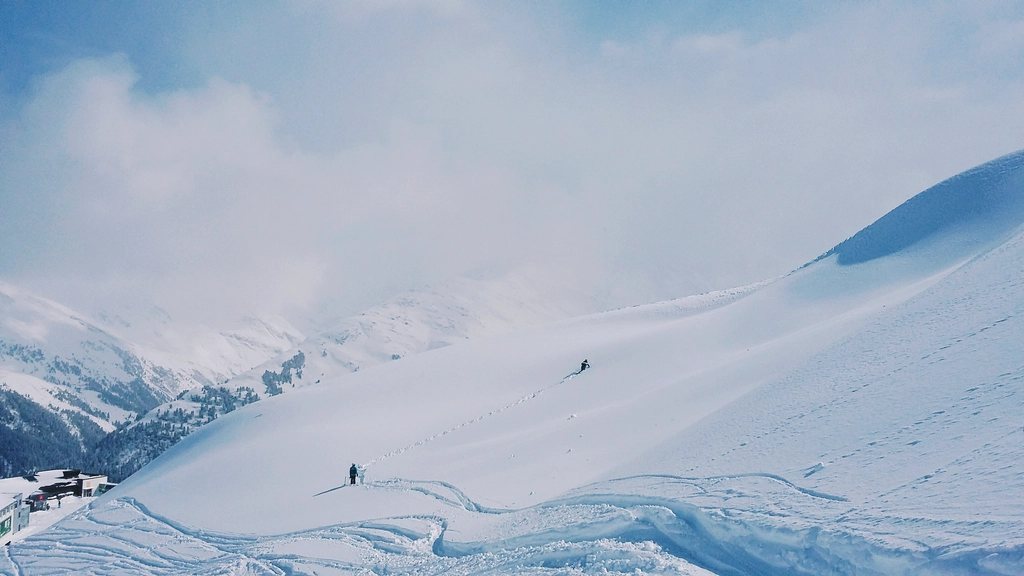
Chasing Silence in the Snowy North
There’s a certain magic that only silence can offer — the kind that wraps around you like fresh powder on a forgotten slope. In the remote mountains of Northern Japan, I found that silence. What started as a spontaneous trip turned into a soul-shifting adventure through endless white landscapes and ancient traditions.
The Hidden Heart of Hokkaido
While most skiers flock to popular resorts, I ventured off the grid into the lesser-known valleys of Hokkaido. The air was crisp, the snow untouched, and the only sound was the crunch of my skis meeting the surface. Local guides spoke of “Japow” — the region’s legendary powder — and it did not disappoint. **Each descent felt like floating through a dream.**
What Makes It Unique?
- Over 15 meters of snowfall annually
- Geothermal hot springs (onsen) at the base of many slopes
- Warm, welcoming mountain villages steeped in culture
Lessons from the Mountain
One morning, climbing a ridge with skins on my skis, I met Aiko — a 62-year-old local who had been skiing these peaks since childhood. Her words stuck with me: “The mountain gives you what you bring to it.” Her presence was a reminder that skiing isn’t about speed or tricks; it’s about flow, respect, and connection.
Beyond the Slopes: A Deeper Connection
At night, I’d soak in steaming onsen pools, surrounded by snow-covered trees and starlit skies. Locals shared sake and stories around low wooden tables. I learned how skiing here isn’t just sport — it’s a way of life interwoven with nature and tradition.
Tips for the Journey
- Travel light, but bring avalanche gear — the backcountry is wild and rewarding.
- Hire a local guide if you venture off-piste. Their knowledge is priceless.
- Embrace the culture: try the food, learn a few Japanese phrases, and respect the land.
Why Hokkaido Snow Is Different
The numbers behind that silence are worth knowing. Niseko, on the western edge of the island, records roughly 14 to 15 metres of snowfall in a normal season, and Furano and the Asahidake area in the centre are not far behind. The source is the Siberian air mass: dry, bitterly cold air pours off the continent, crosses the Sea of Japan, picks up moisture from water that is still relatively warm in early winter, and drops it on the first mountains it meets. Because the air is so cold, the snow lands as very low-density flakes, and because the cycle repeats every two or three days from mid-December to late February, the surface rarely has time to set up before the next refill.
January and February are the reliable window. December can be thin at the base, and by March the storms space out and the sun begins to work the south faces, though the north-facing trees stay good. A weekday morning in late January after a 40 cm night is the Hokkaido we came for.
Trees, Gates and the Local Avalanche Culture
Most of the skiing that people remember is not on open faces but in the birch and spruce forests between the lifts. The trees are widely spaced, the terrain is mostly moderate, and the snow between the trunks is sheltered from wind, so tree skiing here is the main event. It is also where the hazards hide: tree wells are deep and real in this snowpack, and we ski trees in pairs, in sight of each other, and never alone.
The resorts handle backcountry access through a gate system that deserves respect. At Niseko, numbered gates open and close on the morning avalanche report, and ducking a rope outside a gate can cost you your pass and, in some cases, a rescue bill. Asahidake is barely a resort at all, one ropeway on an active volcano with unpatrolled terrain above, so it is treated as a full backcountry day with a beacon check at the top station. The local avalanche culture is quieter than in the Alps but not looser. Wind-loaded slopes above the treeline and the deep persistent layers that form during cold clear spells in mid-January catch people out most seasons, and the daily bulletins published for the Niseko area are read seriously by everyone who works on the hill. A guide is not a luxury on a first visit; the best tree runs finish in drainages you cannot see from the lift.
Onsen, Trains and the Practical Trip
Almost every mountain town has an onsen, a natural hot spring bathhouse, and it becomes the structure of the day: ski until the light goes, soak for forty minutes, eat, sleep. The etiquette is simple. Wash thoroughly at the seated showers before entering the pool, keep the small towel out of the water, and be aware that some traditional baths still turn away visible tattoos, so ask or look for a private bath if that applies to you. The outdoor pools, snow falling on your head and the water at 41 degrees, do more for tired legs than anything we have tried.
Getting around without a car is easier than it looks. The nationwide rail pass covers the fast train from Tokyo north to Hakodate and on to Sapporo, and from there local lines run to Kutchan for Niseko and to Furano. Asahidake needs a bus from Asahikawa. Book the pass before you fly and reserve seats a day ahead on busy weekends. Budget a week to ten days, two or three per area, with travel days between. Beyond the avalanche kit, a short list of what we would not go without.
- Skis at least 105 mm underfoot; the snow is deep and the pitches are gentle, so float matters more than edge.
- A full face covering for lift rides, and goggles with a low-light lens for the storm days that make the trip.
- Cash, because many small ramen counters and mountain huts do not take cards.
- A translated card with your accommodation address for taxi drivers and, if needed, for the ski patrol.
Final Descent: A Changed Perspective
As I boarded the train back to Tokyo, my legs were sore but my spirit lighter. I had come for the snow but left with something far greater — clarity, gratitude, and a renewed sense of awe. **Northern Japan doesn’t just challenge your skiing. It renews your soul.**
So if you ever seek a place where snow meets serenity, look beyond the ice. Japan’s silent peaks are calling.